


PARA EMPEZAR
CINTURÓN PU 4 MM
Soporte ligero y flexible para entrenamiento frecuente y cargas moderadas.
$90.000
COMPRAR CINTURÓN 4 MMWARGO BUYING GUIDE
4 mm, 5 mm y 10 mm pueden parecer similares, pero no están hechos para el mismo tipo de entrenamiento. Esta guía te ayuda a elegir el adecuado rápidamente.

01
EMPECEMOS POR LO BÁSICO
Un cinturón te ayuda a sentir mayor estabilidad cuando trabajas con cargas exigentes, especialmente en movimientos como sentadilla y peso muerto. No necesitas comprar el más rígido: necesitas el que tenga sentido para cómo entrenas.
02
LA DIFERENCIA IMPORTANTE
La diferencia principal está en el nivel de soporte y rigidez. Entre más grueso, más firme se siente el cinturón.

4 MM
Ideal si es tu primer cinturón, trabajas con cargas moderadas o prefieres mayor comodidad y movilidad.
5 MM
Más soporte que un cinturón básico sin llegar a la rigidez extrema. Ideal si entrenas varias veces por semana y quieres seguir progresando.
10 MM
Para quienes entrenan con cargas muy pesadas, practican powerlifting o buscan máxima firmeza.
03
DECISIÓN RÁPIDA
Nunca he usado cinturón.
4 O 5 MM
Entreno fuerte, pero no hago powerlifting.
5 MM
Quiero uno que me sirva mientras progreso.
5 MM
Entreno powerlifting o levanto muy pesado.
10 MM
El 5 mm es el punto medio entre soporte, comodidad y margen para progresar.
04
AHORA SÍ
PARA EMPEZAR
Soporte ligero y flexible para entrenamiento frecuente y cargas moderadas.
$90.000
COMPRAR CINTURÓN 4 MM
RECOMENDADO
Microfibra, hebilla de acero y equilibrio entre soporte y comodidad.
$179.000
COMPRAR CINTURÓN 5 MM
MÁXIMA RIGIDEZ
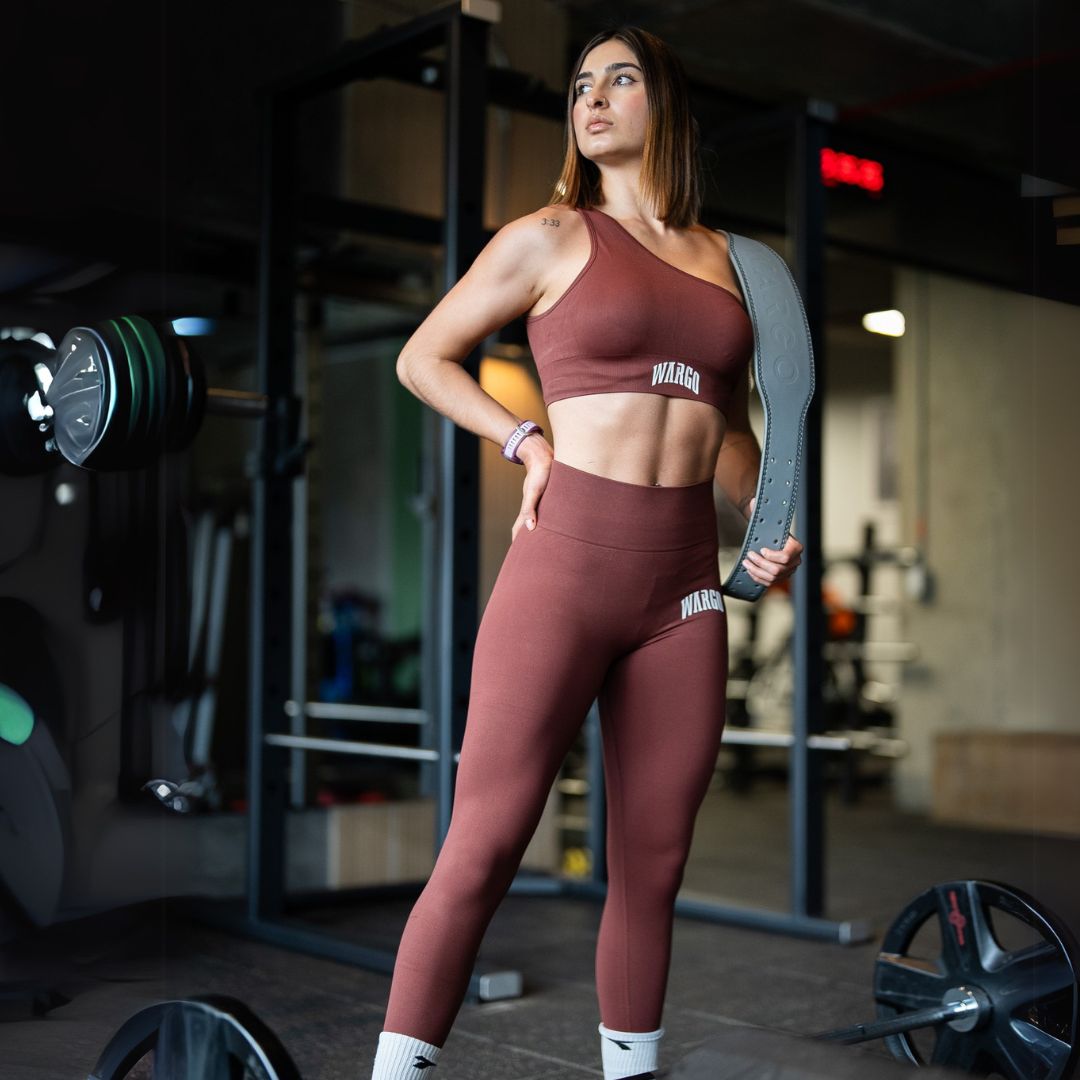
Cinturón rígido de palanca para powerlifting, PRs y cargas pesadas.
$298.000
COMPRAR CINTURÓN 10 MM05
PREGUNTAS RÁPIDAS